
Fernando Laranja, CEO of Caaporã, explains the economic and environmental advantages of this model, which combines tree growing with livestock farming
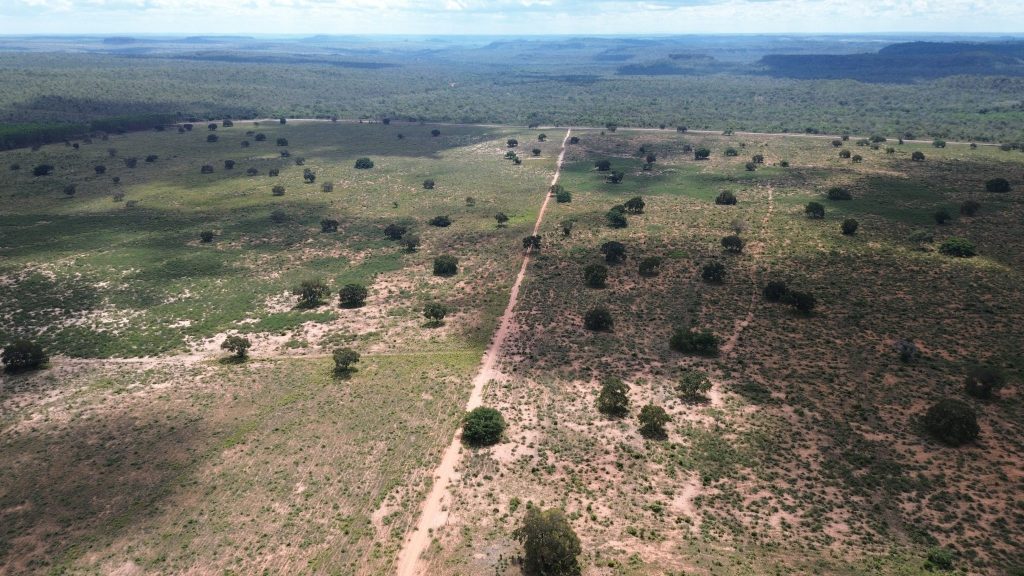
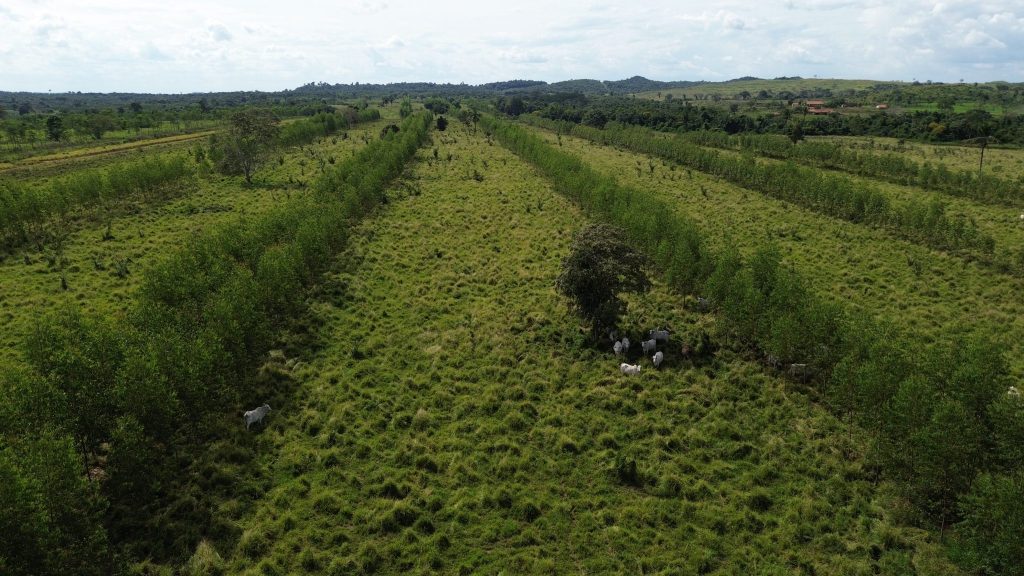
Faced with the challenge of reconciling efficient agricultural production with environmental recovery, silvopastoral systems have emerged as transformative alternatives for the Brazilian countryside. By adding trees in a planned and functional way to areas where animals are raised, these systems create ecological synergies that significantly boost productivity and sustainability: you can triple the number of cattle per hectare, increase weight gain by up to 50% and cut the carbon footprint per kilogram of meat produced by more than 50%.
These advances have already been achieved by Caaporã, a Fundo Vale partner that is contributing to Vale’s 2030 Forest Goal, which aims to restore 100,000 hectares through sustainable systems by the end of the decade. Active in the states of Tocantins, Mato Grosso, São Paulo and Bahia, Caaporã currently manages around 20,000 hectares, including 6,600 hectares of silvopastoral systems.
“Fundo Vale believes that supporting projects such as Caaporã is essential to demonstrate that the sustainable transformation of livestock farming is viable and strategic and has huge potential to scale up. It is capable of transforming Brazil into a global leader in regenerative management,” says Bia Marchiori, who is responsible for the performance, technical, knowledge and social and environmental safeguards aspects of Vale’s 2030 Forest Goal.
What are silvopastoral systems?
Silvopastoral systems are land use models that integrate trees, pasture and livestock in the same area, promoting mutual benefits among all components. The introduction of trees into livestock systems has positive effects. For example:
- Tree species provide ecosystem services such as helping fix nitrogen, increasing soil fertility and providing shade for animals;
- Rotational grazing, combined with the presence of trees, enhances grass growth and feed efficiency for cattle.
Recovery of pastureland
According to Luís Fernando Laranja, founder and CEO of Caaporã, most Brazilian pastureland shows some degree of degradation, which represents both a challenge and an opportunity for the expansion of this sustainable system.
“Brazil has around 170 million hectares of pastureland, but much of it is used inappropriately, leading to loss of productivity and soil degradation. More than half of this area shows some degree of deterioration,” he explains.
Productive performance and climate impact
According to Laranja, with proper management, it is possible to increase both the number of animals per hectare and daily weight gain. “In our business model, animals can put on up to 600 grams per day, while the Brazilian average is between 300 and 400 grams,” he says.
This faster fattening cycle results in earlier slaughter, freeing up land and reducing cumulative emissions of methane, a major greenhouse gas produced by livestock farming. In addition, the trees planted actively participate in carbon capture and storage, radically transforming the emissions profile of production systems.
“In the conventional system in northern Brazil, the carbon footprint of meat can reach 50 kg of CO₂ equivalent per kilogram of carcass. With silvopastoral systems, we have reduced this to around 20 kg – a reduction of more than 50%. This performance also has the potential to generate carbon credits, adding value to the product,” concludes Laranja.