
Most respondents say they consume sustainable products, but factors such as price, quality and convenience still predominate in purchasing decisions
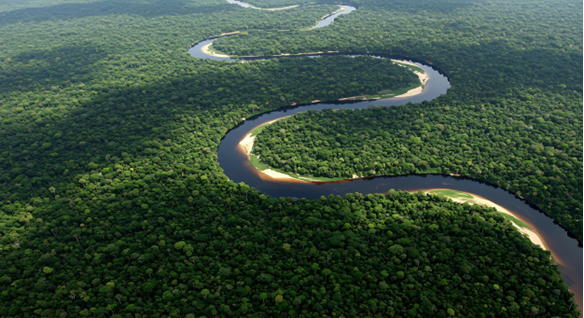
Brazilians’ relationship with sustainability is marked by recurrent ambivalence, according to a new survey titled “What Brazil Thinks About the Amazon,” supported by Fundo Vale and conceived by the Amazon Socio-Bioeconomy Business Association (ASSOBIO), in partnership with Future Brand. The survey will be launched on September 22, during New York Climate Week, at a venue hosted by Banco do Brasil.
One indicator of this ambiguity is that although 81% of respondents say they have adopted practices to save water and energy, 74% separate waste for recycling and 70% reuse packaging, only 15% say that sustainability is a top-of-mind priority. The consumption of sustainable products also reveals this ambivalence: 60% say they buy them frequently and 86% recognize that this choice contributes to the environment. In practice, however, factors such as price, quality and convenience end up carrying more weight in the final decision. Thus, sustainability ends up playing a secondary role, often associated with guilt or morality, but rarely sufficient on its own to guide consumers’ choices.
Bioeconomy
Although the bioeconomy is still an unfamiliar concept to most Brazilians, the topic is beginning to gain traction. According to the survey, only 34% of the population say they are familiar with the term, and even among those, their understanding is generally superficial, based on associations limited to sustainability, income generation or recycling.
Despite the high level of unfamiliarity, the data points to a promising scenario. Around 83% of Brazilians believe that consuming products from the Amazon contributes to the strengthening of local communities, and 82% agree that it is possible to promote the region’s economic development without causing destruction to the forest.
“It is particularly significant to see that most Brazilians believe it is possible to develop the region economically without destroying the forest. This underscores the urgent need to invest in solutions that value the standing forest, generate income for local groups and connect consumers with sustainable production chains. Our role at Fundo Vale is precisely to strengthen these links, supporting businesses and initiatives that promote the Amazon bioeconomy with responsibility and positive impact,” says Márcia Soares, Fundo Vale’s Amazon and partnerships manager.
The bioeconomy is attracting interest because it combines innovation, environmental preservation and income generation. However, this enthusiasm is accompanied by a critical stance: according to most people, it is essential to ensure oversight, transparency and the active participation of traditional communities in order to prevent incentives for consumption from reproducing unfair or predatory practices.
Among the barriers to greater consumption of Amazonian products, the lack of recognition is the main factor, whether due to logistics or paucity of information. In all, 54% of respondents say they cannot find these items where they live, 34% do not know how to identify these products, and 22% point to high prices.
Other survey findings
Even well into in the 21st century, Brazilians’ relationship with the Amazon is marked by distance and stereotypes. According to Soares, this finding reveals not only a lack of geographical knowledge but also a disconnect from the real opportunities that the region offers, especially in terms of the bioeconomy. “The forest is not an untouchable place and nor is it just an exotic setting. It is alive, productive and essential to the country’s future. Strengthening this connection is fundamental to building a development model that combines conservation, innovation and income generation for traditional communities,” she points out.
Conducted in June of this year, the survey assessed the population’s degree of proximity to the region and attributes associated with the forest. Among other things, the survey found that 65% of Brazilians are unfamiliar with the region, either because they have never visited it or because they only hear about the forest when it receives negative media coverage.
Based on the survey’s findings, the aim is to identify messages capable of mobilizing the public and helping build a positive image of the Amazon, especially the Amazonian bioeconomy, highlighting ideas with the greatest potential to generate understanding and engagement in future actions.
According to the survey, even though 35% of respondents recognize that the Amazon is home to some large cities, most still perceive the region as remote, frozen in time and almost mythical. The data also shows that the collective image of the forest as a source of pride and fascination is mixed with a certain frustration and helplessness regarding its constant threats of destruction.
See also: From the forest to the city: ASSOBIO brings the Amazonian sociobioeconomy to bars, restaurants, events and strategic locations in Belém
Learn more about ASSOBIO here: https://www.assobio.org/