
The study was conducted by ICC Brasil in partnership with Systemiq, Emerge and the Environment Ministry’s National Bioeconomy Secretariat, and sponsored by Fundo Vale
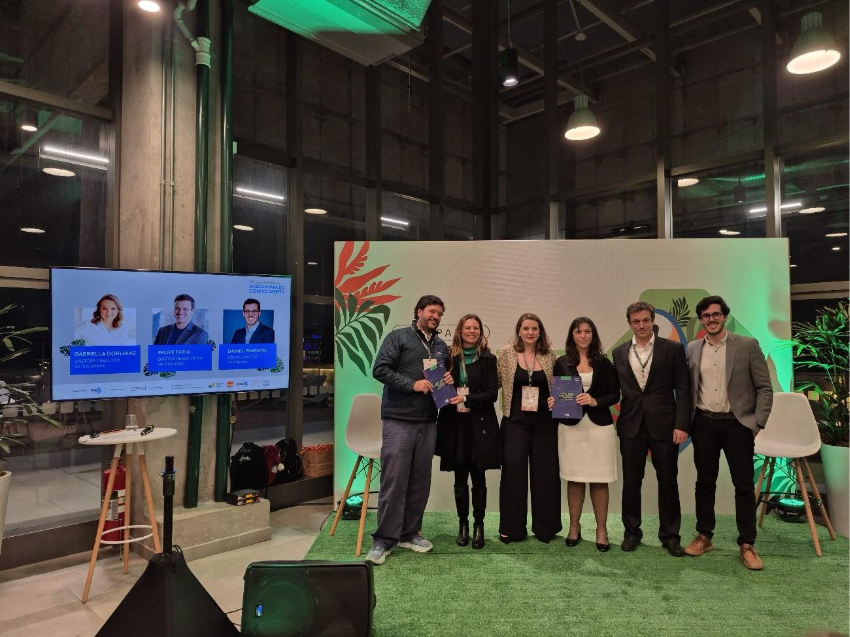
During São Paulo Climate Week, the Brazilian branch of the International Chamber of Commerce (ICC Brasil) launched an unprecedented study in partnership with Systemiq, Emerge and Fundo Vale, titled “Brazil’s Potential in the Knowledge Bioeconomy.” The report summarizes the collaborative work of more than 100 experts and interviews with 57 industry leaders, presenting an in-depth diagnosis – and a call to action – regarding the sustainable future of the Brazilian biodiversity-based economy.
The report reveals a promising outlook: the knowledge-based bioeconomy could generate between US$100 billion and US$140 billion a year by 2032 in strategic sectors such as food, materials, agribusiness, health and cosmetics. The study was based on a broad concept of the bioeconomy, which prioritizes the creation of value from scientific, technological and traditional knowledge, promoting innovation and global competitiveness.
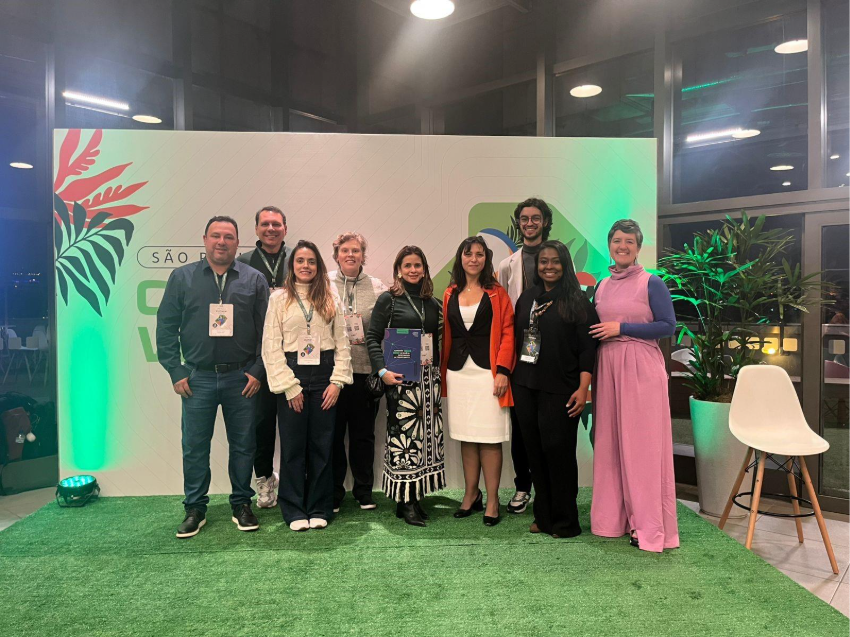
“Fundo Vale believes in partnerships that place Brazil at the forefront of innovation based on nature and positive impact for people and the planet. We believe that the bioeconomy has immense potential to transform the wealth of our biodiversity into innovative solutions that generate value for the whole of society and foster regional development together with inclusion, technology and sustainability. However, to realize this potential, we will need science. This study shows that Brazil has all the conditions needed to be a global leader in this new economic model, connecting traditional know-how with universities and research institutes,” said Márcia Soares, Fundo Vale’s Amazon and partnerships manager.
Brazil: A biodiversity and biotech powerhouse
According to the study, Brazil has the greatest biodiversity on the planet – 24% of global fauna and flora – combined with a robust scientific ecosystem, respected research organizations such as Fiocruz, the Butantan Institute and Embrapa, and a well-established agro-industrial chain. This powerful blend gives the country unique advantages to lead a regenerative and circular economy. Data from the report shows that the innovative food sector alone could generate between US$40 billion and US$50 billion per year by 2032, while biodegradable materials, bioactive ingredients for cosmetics and biodiversity-based pharmaceutical solutions are expected to drive this green revolution.
However, for this potential to become a reality, the study points to some long-standing challenges. These include the need to expand systematic knowledge of biomes (given that fewer than 10% of flora species have been genetically mapped, for example), diversify investments beyond well-established sectors, and improve regulations to help transform science into innovative businesses.
Proposals: From the scientific community to the market
The study presents a plan structured around five broad areas: strengthening the scientific basis for biodiversity, consolidating the innovation ecosystem, creating favorable market conditions, improving regulation, and developing a new financial architecture. The authors’ goals are to increase the genetic mapping of biomes tenfold, create up to 1,000 new science-based businesses per year, and position Brazil as a global leader for sustainable solutions.
One of the central messages of the publication is the need for new governance, based on a six-pronged approach, bringing together government, science, business, investors, civil society and nature itself as active economic agents, while harnessing the ancestral knowledge of indigenous peoples, quilombos (settlements of descendants of runaway slaves) and traditional communities as a driving force for bioeconomic development.
The study’s launch during São Paulo Climate Week underlined the commitment of the business community and organizations such as Fundo Vale to align Brazil’s economic future with the sustainability agenda, promoting biodiversity, inclusion and innovation on a global scale. The full report is available on ICC Brasil’s website. It will be presented as a contribution of the Brazilian private sector at COP30 in November 2025.