
Converging to innovate: event brings together startups, entrepreneurs, government bodies, scientists and investors at the Amazon Bioeconomy and Innovation Park in Belém
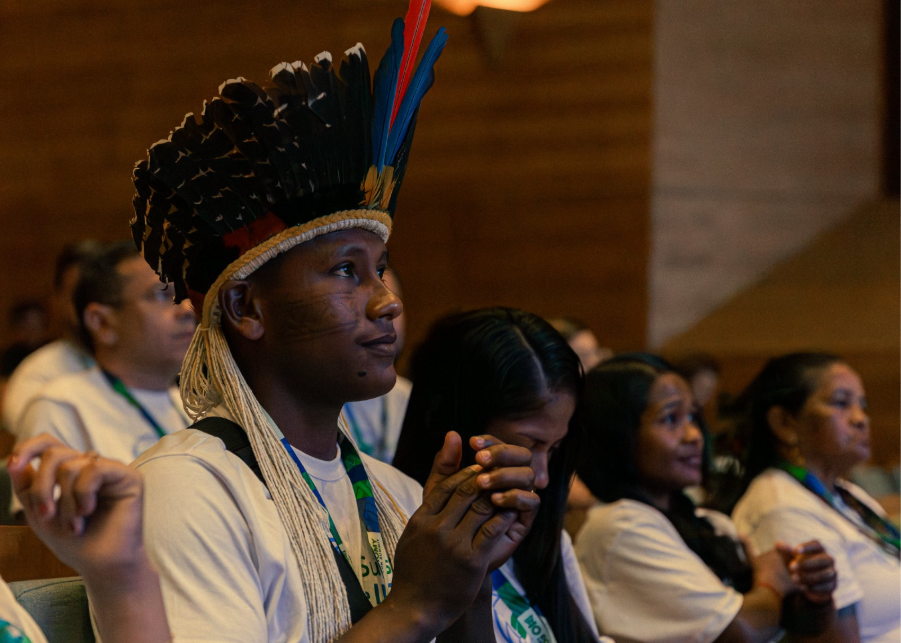
From May 12 to 14, the Bioeconomy Park in Belém hosted the third edition of the Bioeconomy Amazon Summit (BAS), at a time when the bioeconomy potential in the Legal Amazon is estimated at up to US$140 billion by 2032 in Brazil alone, according to a study by the International Chamber of Commerce (ICC Brazil) and Systemiq. Organized by the BAS Convergence Hub in partnership with Jornada Amazônia, the event brought together 220 speakers, including 30 leaders from traditional communities, more than 15 sectoral institutions, and around 4,200 participants, turning the capital of Pará into a hub for discussions, business, and coordination around the forest-based economy.
Created in 2023 by KPTL, a partner of Fundo Vale, and Kyvo, the Bioeconomy Amazon Summit is already considered one of the leading convergence hubs for the Amazon bioeconomy.
The event connects science, traditional knowledge, the financial market, the public sector and entrepreneurs from the region to discuss climate finance, the strengthening of sustainable production chains and new business models capable of reconciling economic development with the conservation of the Amazon Rainforest.
Fundo Vale discusses the bioeconomy, climate financing, innovation and land restoration
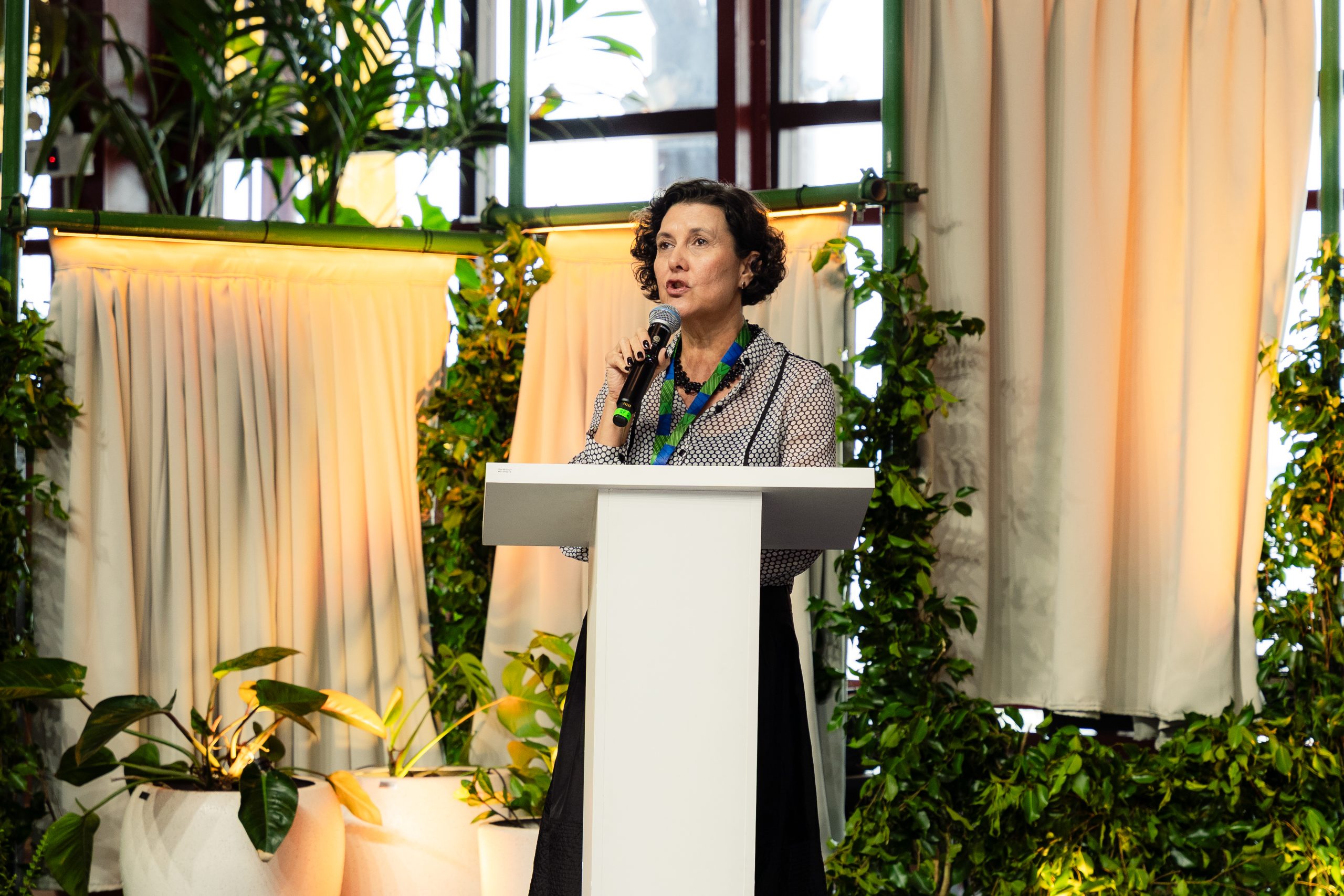
Márcia Soares, Amazon and partnerships manager at Fundo Vale, opened the Castanheira Stage alongside Camille Bemerguy, the Pará state deputy secretary for the bioeconomy. She subsequently participated in debates on mechanisms to support and strengthen social and environmental impact businesses alongside representatives of Sitawi, Yunus and the Foundation for Amazon Sustainability. She also joined discussions on financing strategies and ways to strengthen the region’s bioeconomy with Natura, the International Finance Corporation, the Brazilian Biodiversity Fund and the D’Irituia cooperative.
“If we want a robust bioeconomy, we need to talk about financial mechanisms that understand the realities of the Amazon. Social and environmental impact businesses do not grow under a traditional short-term logic. What we saw at the Bioeconomy Amazon Summit was precisely this collective effort to design instruments, partnerships and investment models that respect the pace of the forest, local communities and production chains. That is how we transform good ideas into scalable solutions for the region,” said Soares.
Juliana Vilhena, Fundo Vale’s strategy, management and impact manager, discussed the challenges and opportunities involved in expanding investments in forest restoration with representatives from the Brazilian Development Bank (BNDES), the Brazilian Environment Ministry and investment bank BTG Pactual. Juliana also participated in discussions on land restoration alongside organizations and companies connected to the climate and environmental regeneration agenda. Lucas Folgado, another Fundo Vale sustainability analyst, moderated a panel discussing innovation, science and solutions aimed at the development of the Amazon, featuring representatives from Wylinka, the Goeldi Museum, the Federal University of Pará and biotech firm Ages Bioactive.
Entrepreneur Arena
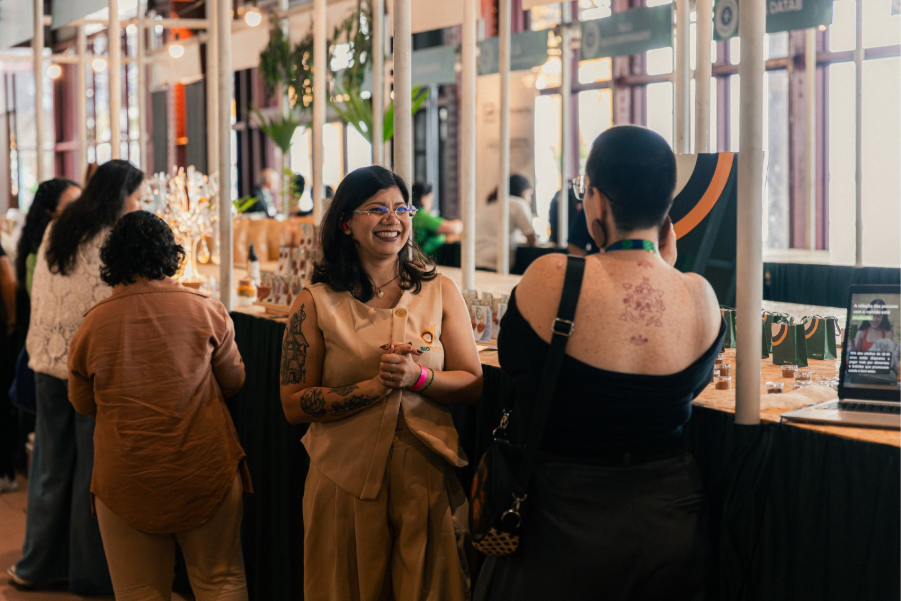
One of the highlights of this edition was the Entrepreneur Arena, an initiative that amplified and connected forest-based solutions to real business opportunities. The space brought together around 150 entrepreneurs from different territories of the Brazilian Amazon to showcase their solutions, connect with companies and investors, and exchange experiences with representatives from various states in the region, reinforcing BAS’s role as a catalyst for the forest-based economy.
Independent curation
The Bioeconomy Amazon Summit’s agenda is developed in partnership with leading players in the bioeconomy innovation ecosystem, guided by an independent Curators Council and the participation of speakers and panelists who bring specialized technical expertise. The event is co-organized by the Foundation for Amazon Sustainability, the Pará branch of the Brazilian Micro and Small Enterprise Support Service (SEBRAE), the French Agricultural Research Center for International Development (CIRAD), the Brazilian Agricultural Research Agency (Embrapa) and the Amazon Environmental Research Institute (IPAM), and funded by the European Union. The sponsors include Fundo Vale, the AMABIO program, the Itaúsa Institute and the state government of Pará.