
Sponsored by Vale and Hydro, supported by Banco da Amazônia, organized by Numerik and cohosted by more than 30 social, private and government institutions, the program covered topics such as climate adaptation, regenerative economies, the social bioeconomy, land rights, science, innovation and health.
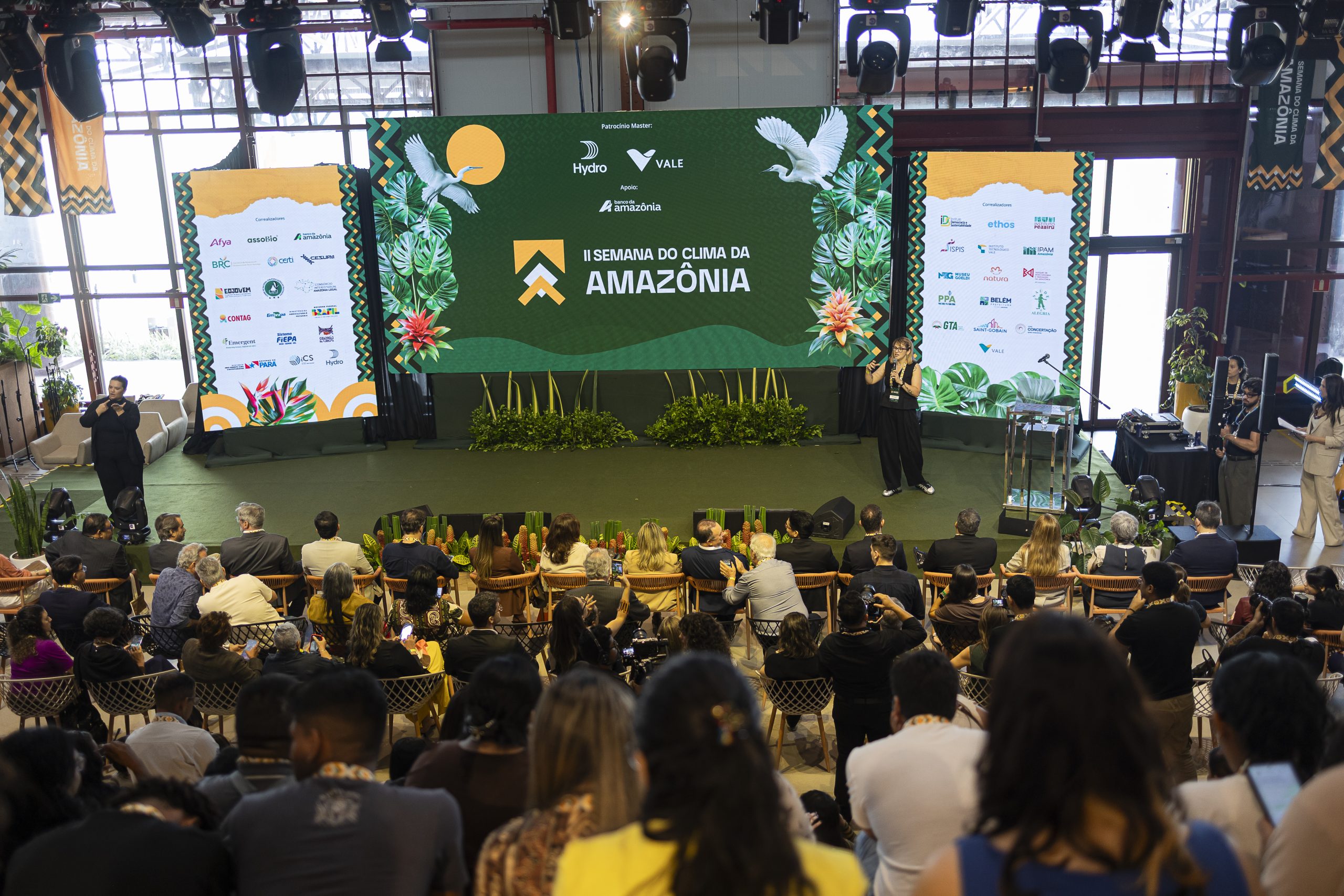
Drawing more than 7,300 participants and featuring over 70 events and activities lasting 220 hours at more than 20 venues, the second Amazon Climate Week energized the city of Belém between June 29 and July 4. The program brought together representatives of local communities, civil society, government, academia and the private sector to connect COP30’s climate commitments with practical solutions underway in the Amazon.
The first major climate event hosted in Belém since COP30, the gathering was organized by Numerik, sponsored by Vale and Hydro, and supported by Banco da Amazônia. The discussions centered on six thematic areas: the energy transition, forest and ocean management, agriculture, urban resilience, human development, and finance.
The program was designed in alignment with the COP30 Action Agenda, linking commitments to operational agendas. Self-managed panels explored solutions in areas such as the just transition, climate adaptation and strengthening the bioeconomy, as well as cross-cutting topics including gender and climate, and the prevention of diseases exacerbated by climate change. One highlight was the “Roadmap to Ending Deforestation: Putting the Amazon at the Center,” organized by the Amazon Environmental Research Institute (IPAM), a Fundo Vale partner.
Data intelligence and stronger infrastructure for the bioeconomy
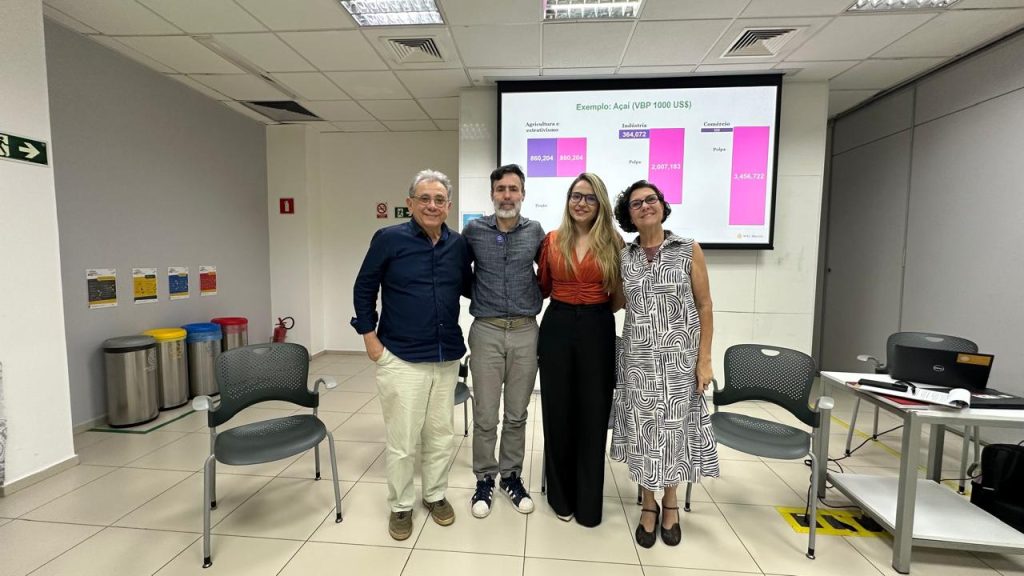
Fundo Vale was one of the event’s cohosts and organized panels focused on strategic dimensions needed to help the Amazon bioeconomy scale up. The session “Regional Intelligence for the Amazon Bioeconomy” addressed the fact that most of the production underpinning the biome’s social bioeconomy does not appear in statistics, information systems or investment flows. Moderated by Márcia Soares, Fundo Vale’s Amazon and partnerships manager, it featured Rafaela Reis da Costa of IPAM, Rafael Feltran-Barbieri of WRI Brasil and Francisco de Assis Costa of the Center for Advanced Amazonian Studies at the Federal University of Pará.
“Creating solutions for producing and integrating bioeconomy data is essential to demonstrate the Amazon’s sustainable economic potential and guide public policies, investment decisions and development strategies based on social and biological diversity,” said Soares.
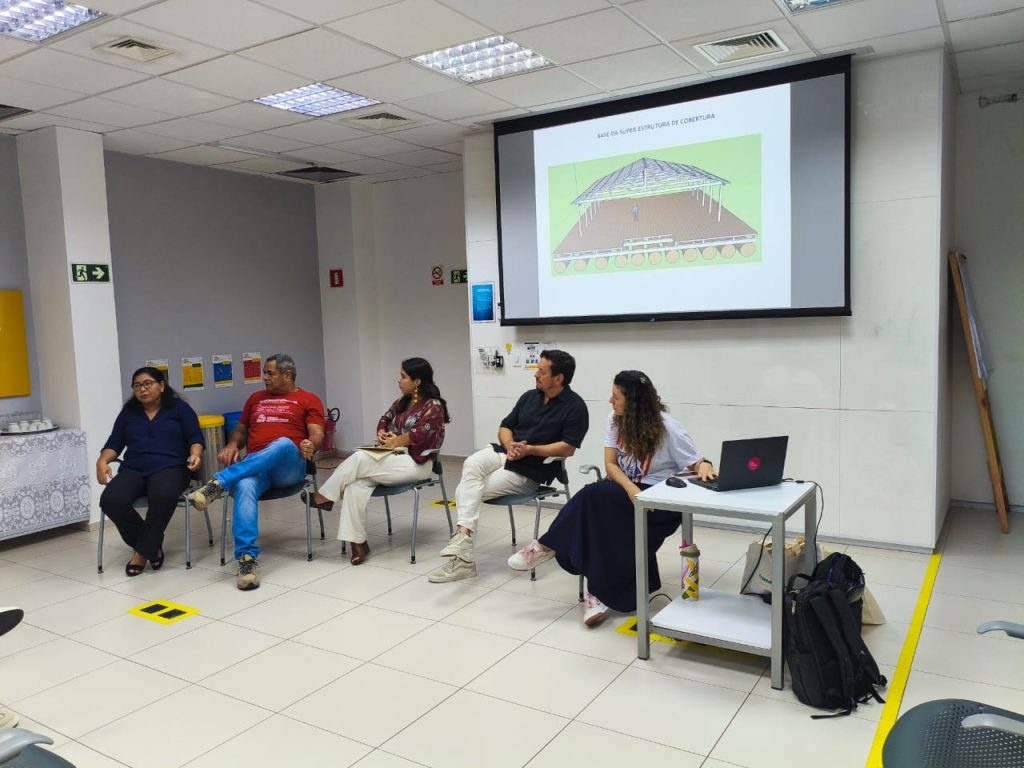
The second discussion, “The Invisible Infrastructure of the Standing Forest,” moderated by Camila Maia of Fundo Vale, brought together Thiago Mantovani of the Pará Bioeconomy and Innovation Park’s Factory Lab, Juliana Teles of Impact Hub Manaus, Ana Claudia Torres Gonçalves of the Mamirauá Institute and Adevaldo Dias of the Chico Mendes Memorial Organization. The discussion focused on structural bottlenecks that affect product quality, conservation, storage and logistics, in turn limiting value creation and large-scale production, as well as solutions already in operation.
“The panel showed that there is no single infrastructure model for the Amazon bioeconomy. When these arrangements combine physical infrastructure, technical knowledge, governance and local leadership, they reduce losses, improve product quality and help retain more income and value in local communities. Recognizing and supporting this diversity of solutions is essential to making the standing forest a concrete and lasting economic alternative,” said Camila Maia.
A collective and just transition
More than simply a series of debates, Amazon Climate Week connected the perspectives of people from local communities, civil society, government, the market and academia. This reinforces the idea that the future of the Amazon will be built through collaborative arrangements that protect the forest and help reduce longstanding inequalities.