
An initiative led by Operation Native Amazon, with support from ICMBio and Fundo Vale, is strengthening the governance of associations in the Ituxi and Médio Purus extractive reserves in the state of Amazonas. As a result, working capital in the Brazil nut value chain has increased by 76% and sales have risen significantly, giving participating families greater financial independence.
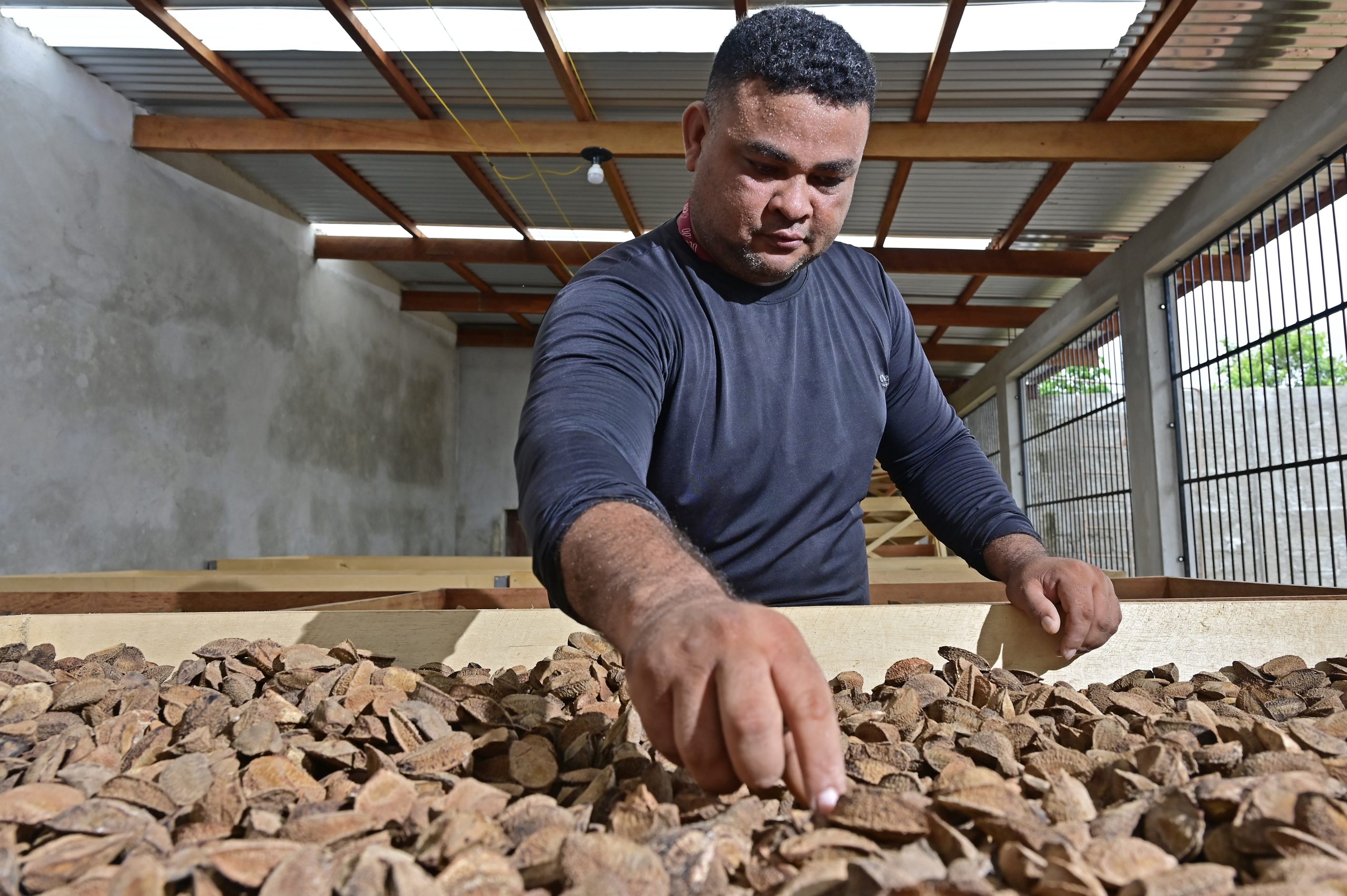
The working capital fund for Brazil nut-harvesting families in the Ituxi Extractive Reserve in Lábrea, Amazonas, grew 76% during the implementation of an initiative called “Strengthening Collective Commercial Arrangements in the Brazil Nut and Açaí Value Chains in the Ituxi Extractive Reserve,” carried out by Operation Native Amazon with support from Fundo Vale between 2023 and 2025. Since 2021, the growth has been even more remarkable: the fund’s balance has risen from R$8,200 to more than R$90,000, an increase of nearly 1,000%. The project is part of the Sustenta.Bio program, developed through a partnership between Fundo Vale and the Chico Mendes Institute for Biodiversity Conservation (ICMBio).
The fund is managed by the Association of Indigenous Producers of the Caititu Indigenous Land (APITC) with technical support from Operation Native Amazon. It pays families as soon as they deliver their harvest, eliminating the need to rely on middlemen, while accumulating reserves from one harvest to the next. The fund functions as a collective savings mechanism, providing working capital for the first round of purchases at the beginning of each harvest, cushioning the impact of poor harvests on family income and reducing dependence on credit from local merchants during the off-season.
Another goal of the initiative was to increase community participation. The number of participating families grew from 17 in 2021 to 35 in 2025, a 106% increase since the collective was established. During the project implementation period alone, participation increased 13%, surpassing the original expansion target of 10%. The families are spread across roughly 15 communities within the Ituxi Extractive Reserve.
Positive impact on sales
Along with the growing membership base, the volume of Brazil nuts sold also increased—from approximately 1.4 metric tons in 2021 to 8.5 metric tons in 2024, nearly six times higher. This growth was interrupted by the severe droughts that affected the Amazon in 2023 and 2024. The droughts disrupted flowering and harvesting during the following season, reducing production to around 300 kg in 2025, a 96% decline from the 2024 peak. However, the reserves accumulated during previous harvests offset the losses, demonstrating that the collective arrangement had evolved into a long-term community savings mechanism.
“The results achieved by Operation Native Amazon are very encouraging. Our goal is to strengthen social and biodiversity value chains as a strategy to protect the forest while promoting the socioeconomic development of traditional communities. The growth in working capital and sales shows that this community-based model is becoming more mature in its management, translating into greater financial independence for families during difficult periods,” says Márcia Soares, Fundo Vale’s Amazon and partnerships manager.
Sustainably managed pirarucu fish value chain expands through a gender-equitable approach
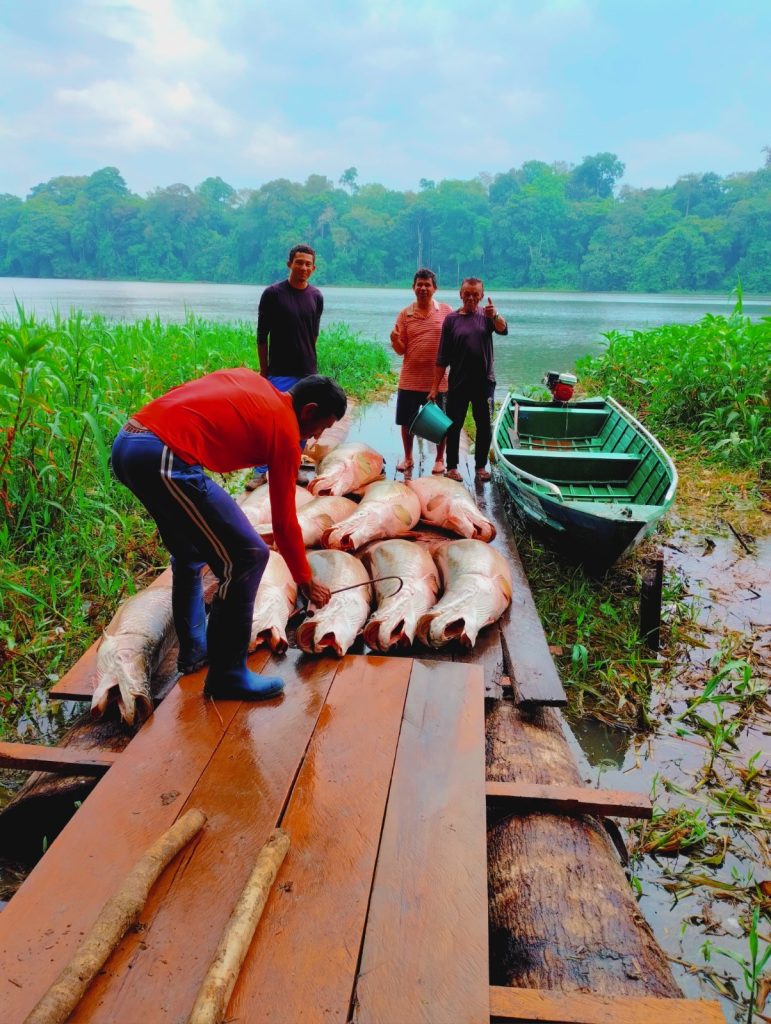
Fundo Vale’s support for Operation Native Amazon also included strengthening the sustainably managed pirarucu fish value chain in the neighboring Médio Purus Extractive Reserve. The initiative gained momentum in 2024 with the harvest of 1,605 fish, enabling the Association of Farmers and Extractive Workers of Médio Purus (ATAMP) to carry out its first commercial-scale operation. The harvest remained within the authorized quota of up to 30% of the adult fish counted in the lakes.
The fish were sold by Brazil’s National Food Supply Agency (CONAB) through its Food Purchasing Program. The income was shared equally between men and women, an arrangement identified by the project as an effective way to reduce inequality.
Açaí value chain under development
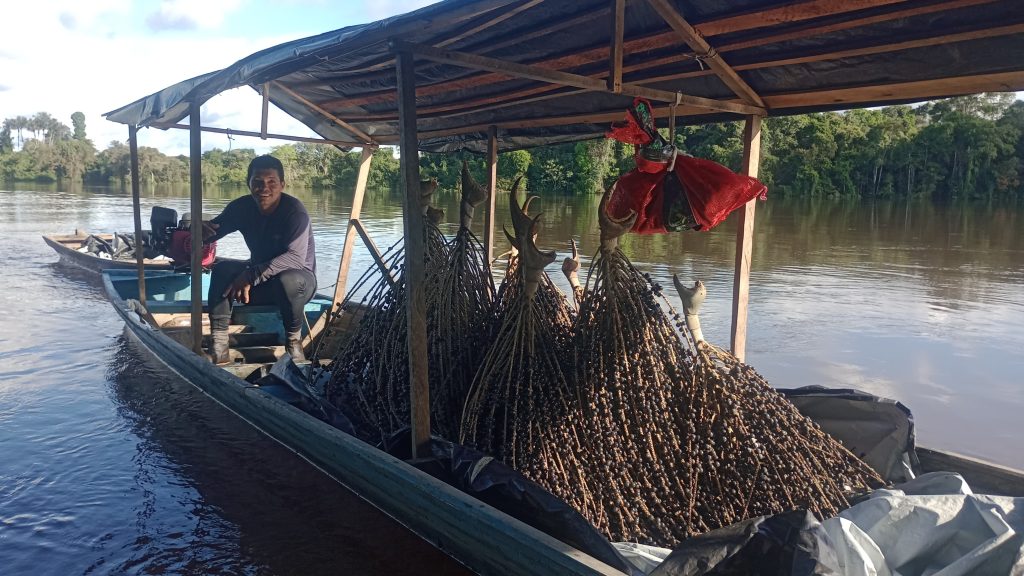
Alongside Brazil nuts, açaí is the second value chain supported in the Ituxi Extractive Reserve and is still under development. The number of participating families fell from 14 in 2021 to 12 in 2025, a decline of 14%. This reflects three combined factors: the natural fluctuations of an emerging value chain, competition from middlemen who pay less but offer immediate payment, and the overlap between the açaí and Brazil nut harvesting seasons, which reduces the labor available within communities. The severe droughts of 2023 and 2024 further worsened the situation. The fruit became shriveled, with less pulp and a poorer flavor, resulting in a 65% drop in production in 2025.
Like the Brazil nut initiative, the açaí collective operates a working capital fund that sets aside part of each harvest’s revenue to finance purchases for the following season. However, because açaí is far more perishable than Brazil nuts, it must be sold quickly. As a result, the fund has less opportunity to accumulate reserves between harvests and functions primarily as an immediate payment fund rather than as long-term collective savings.
Lessons learned
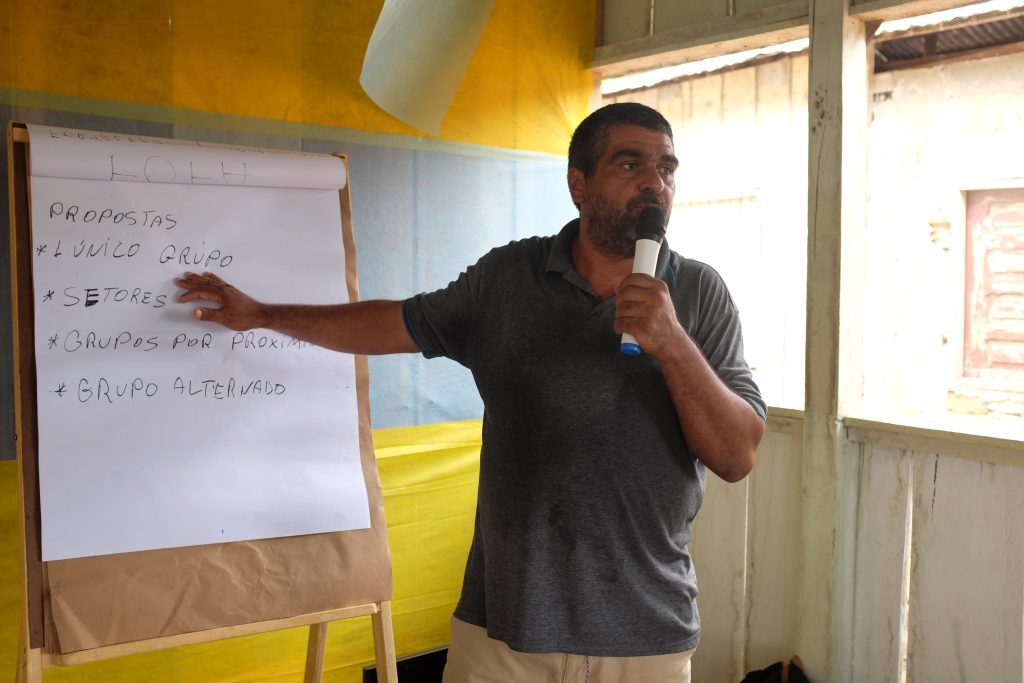
The project’s three-year implementation demonstrates that there is no one-size-fits-all model for the Amazon. Each value chain develops at its own pace, each community has its own organizational structure, and every region presents unique characteristics.
“This project reinforces a strategy to strengthen value chains that helps ensure communities can remain in protected areas. The data clearly demonstrates the importance of these areas for producing high-quality food that supplies local markets and reaches export markets. This initiative also strengthens the political role of extractive communities in defending these regions,” concludes Diogo Giroto, the coordinator of Operation Native Amazon’s Amazonas Program.
About Sustenta.Bio
The result of a partnership between the Chico Mendes Institute for Biodiversity Conservation (ICMBio) and Fundo Vale, the Sustenta.Bio program seeks to strengthen social and biodiversity value chains in the Amazon, promoting the sustainable use of forest products and services while supporting artisanal fishing in sustainable-use conservation areas and Indigenous lands.
It focuses on strengthening and supporting extractive organizations, collectives, movements and associations while developing market solutions for their products. Between 2023 and 2026, approximately R$24 million was invested to strengthen value chains through seven projects involving six partner organizations: Operation Native Amazon, the Amazon Conservation and Sustainable Development Institute (Idesam), the Carauari Rural Producers’ Association (ASPROC), the Mamirauá Institute, the Tropical Forest Institute and Amoreri.
Conservation areas play a vital role in protecting biodiversity. By strengthening the work of communities that use the forest sustainably within these regions, Brazil helps preserve the culture of traditional peoples while increasing the value of social and biodiversity products, which are attracting growing interest in both domestic and international markets.
Learn more at https://www.fundovale.org/sustenta-bio/