
Supported by Fundo Vale, this program developed by Impact Hub Manaus reached Marabá and Tabatinga in 2026, expanding on work already underway in Tefé (Amazonas), Ji-Paraná (Rondônia) and Rio Branco (Acre)
EcoAm, a program developed by Impact Hub Manaus with support from Fundo Vale, expanded its presence in the Amazon in 2026, reaching Marabá (Pará) and Tabatinga (Amazonas). Through a partnership with the Amazonas branch of the Brazilian Micro and Small Enterprise Support Service (SEBRAE), the initiative also began operating in Manicoré and Carauari, both in Amazonas. These municipalities join Tefé (Amazonas), Ji-Paraná (Rondônia) and Rio Branco (Acre), where the program is already working to strengthen entrepreneurship, innovation and bioeconomy ecosystems.
Established in 2024, the initiative develops mechanisms and methodologies tailored to the realities of Amazonian communities, fosters leadership and supports solutions to social and environmental challenges based on the bioeconomy. Focused on strengthening five entrepreneurship and innovation ecosystems in the Amazon by 2027, EcoAm is part of Fundo Vale’s strategy to strengthen and develop the region’s bioeconomy by bringing together businesses, investment, knowledge and legacies.
Training and follow-up in Marabá
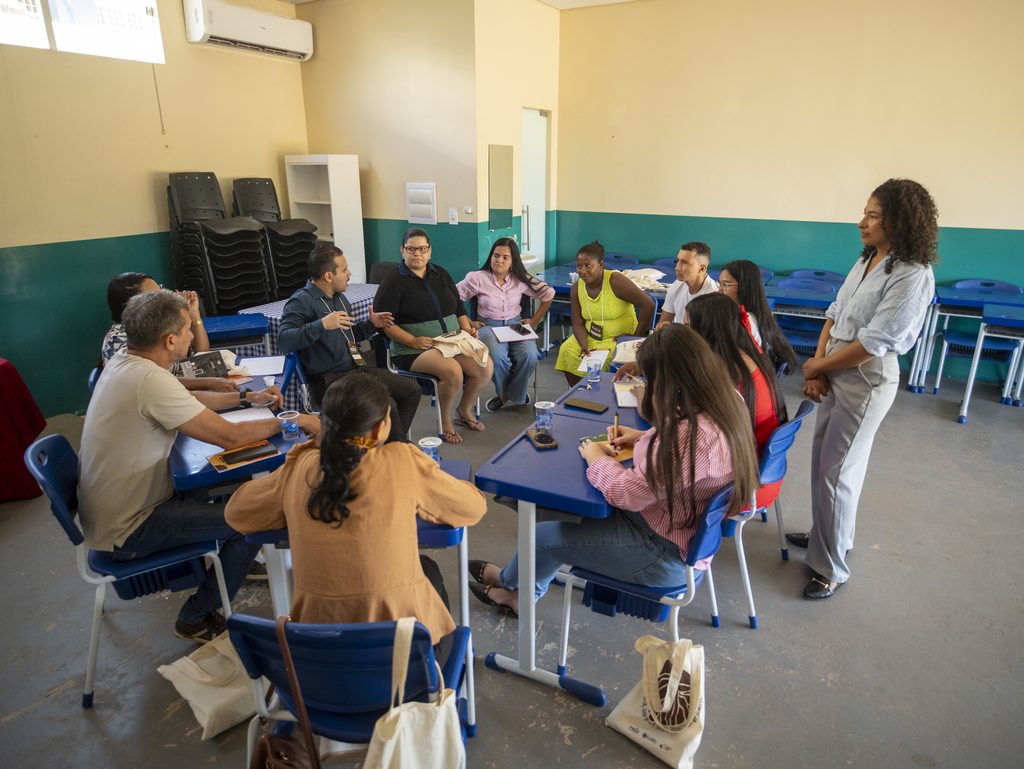
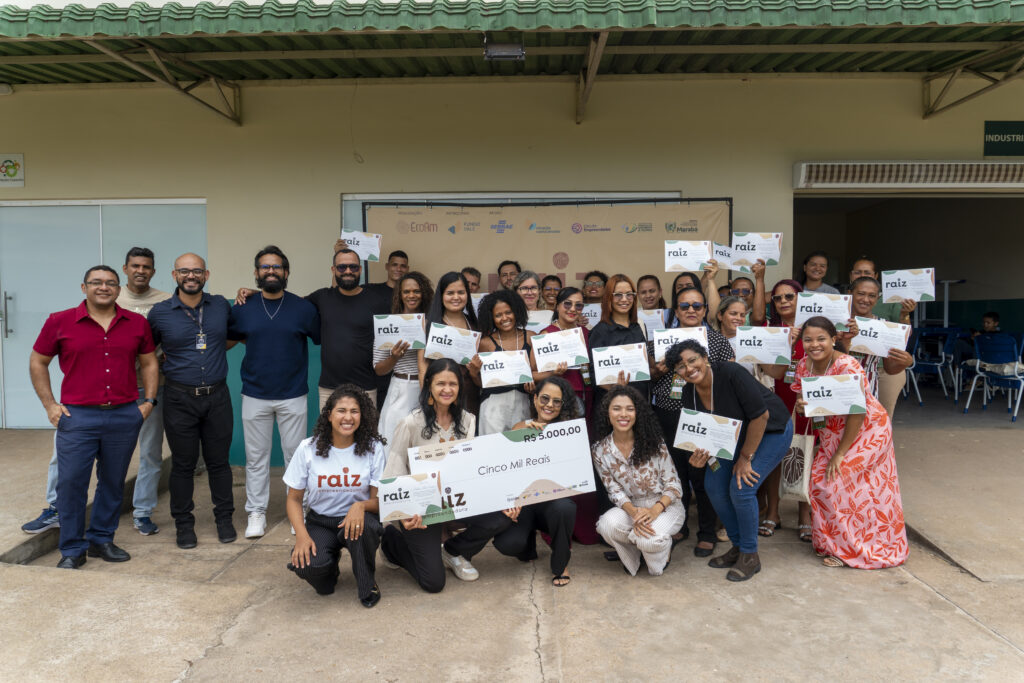
As part of this expansion, Marabá hosted in-person “Entrepreneurial Roots” workshops on September 2 and 3 at the São Félix Knowledge Center. This initiative involved around 40 participants and 15 formally registered businesses.
The training brought together small businesses and service providers, particularly those involved in forest-related activities and the regional economy. The sectors represented included handicrafts and the creative economy, retail and food services, technology, beauty and fashion, family farming and the bioeconomy, forest products and sustainable tourism.
During the workshops, the participants worked on management, innovation and planning skills, analyzed their businesses, identified challenges and developed practical solutions.
The program was designed to continue beyond the in-person sessions. The schedule included applying the lessons learned with follow-up support via WhatsApp, as well as R$5,000 in prizes for local businesses. A diagnostic assessment and mapping of the local bioeconomy ecosystem are scheduled for January 2027.
“The aim of Entrepreneurial Roots is to strengthen those already running businesses in the Amazon, taking into account the knowledge, challenges and opportunities of each region,” said Washington Silva, EcoAm’s manager. In Marabá, the process of listening, training and building connections also seeks to guide new initiatives focused on developing the local bioeconomy.
“We seek to support businesses and leaders based on the needs of each region. Entrepreneur training, the development of local networks and access to resources are complementary actions to strengthen the bioeconomy and increase income generation linked to forest conservation,” said Márcia Soares, Fundo Vale’s Amazon and partnerships manager.
Marabá was the second municipality to host Entrepreneurial Roots, following the edition held in Tabatinga on August 18 and 19. Following this expansion, EcoAm now operates in four Amazonian states.
This also marks the first initiative undertaken jointly by Fundo Vale, the Vale Foundation and Vale in the municipality. The choice of Marabá took into account its local production potential and its role as a regional hub, as well as its location outside the main area historically targeted by the program’s support.
Originally focused on the bioeconomy, Entrepreneurial Roots was adapted to local conditions to include entrepreneurs from other sectors relevant to Marabá’s economy. Engagement with local organizations and leaders helped align the training with the region’s needs in terms of income generation and productive inclusion.
Regional mapping
Marabá and Tabatinga are in the initial phase of the program, which focuses on regional mapping, community engagement and building relationships of trust. This stage seeks to understand how the local social bioeconomy operates by identifying production chains, local stakeholders, commercial relationships, access to resources and public policies reaching the region. The methodology analyzes the connections between these elements to guide priorities and identify barriers to income generation.
The assessment combines public data from sources such as Brazil’s national statistics agency (IBGE), MapBiomas, the Annual Social Information Report (RAIS) and censuses with interviews conducted by local field agents. Listening to local stakeholders helps validate the information and reveal informal relationships and agreements that do not appear in databases. The analysis covers five dimensions: the region, ecosystem composition, the external environment, the structure of collaborative networks and the mechanisms influencing local change.
Strengthening networks and developing new initiatives
Tefé, Ji-Paraná and Rio Branco are progressing through the strengthening phase. In these three municipalities, the focus is on consolidating local networks, improving access to capital, connecting businesses with markets and enhancing the performance of supported businesses.
In Amazonas, EcoAm is also implementing BioConecta in Carauari and Manicoré, through initiatives focused on the fish and banana value chains, respectively. Combining expansion into new areas with ongoing support for regions already served makes it possible to tailor assistance to different stages of business development and the characteristics of each local economy.
Learn more
EcoAm: Visit the program’s website to learn about its approach and areas of activity.
Bioeconomy study: Read more about the challenges facing the bioeconomy in the Amazon.
Short documentaries: Explore experiences from the regions where the program operates in this series available on EcoAm’s YouTube channel.